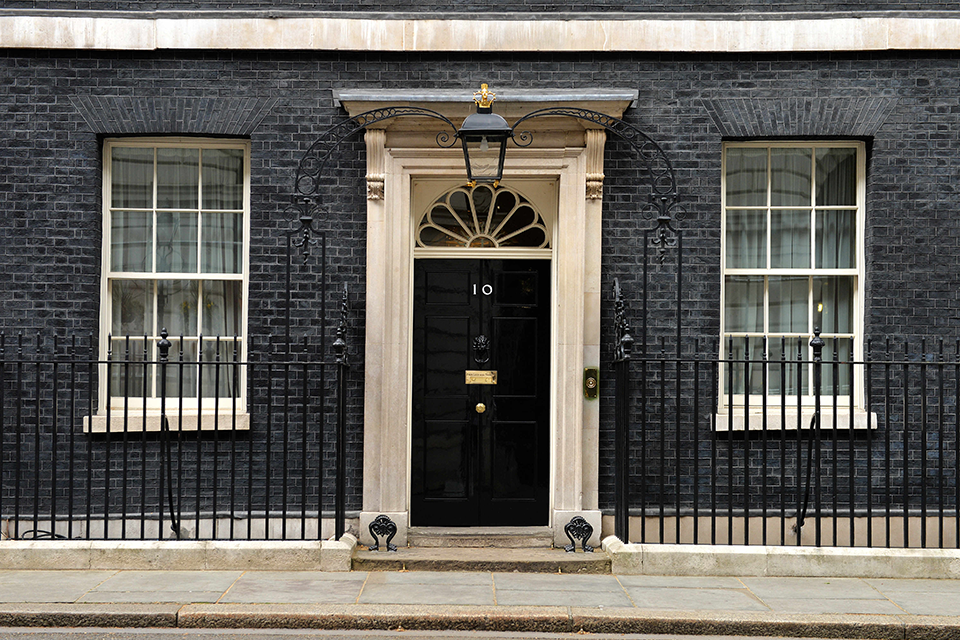
Today marks ten days since the start of Andy Burnham’s premiership.
His immediate priorities include measures to help with the cost of living, a ten-year plan for the country and, notably, ending rough sleeping as his first instruction to civil servants. We believe sustained growth is the foundation for delivering these priorities.
The West End has a vital role to play. As one of the UK’s most significant economic centres, it contributes billions of pounds to the national economy and supports approximately 350,000 jobs. When the West End succeeds, the benefits are felt far beyond central London. If the West End grows, London grows. If London grows, the UK grows.
Our members have committed £60 million of private investment in the West End over the next five years across safety, public realm and destination marketing because they believe in powering the West End for the nation. Alongside this investment, we will continue to advocate for a policy environment that supports sustainable growth.
While the full implications of the Government’s agenda will take time to emerge, several announcements made over the past ten days will be of particular interest to our members. Below, we outline what they could mean for the West End, based on the Prime Minister’s inaugural speech on 20 July and the policy developments that have followed.
Implications for the West End
Channelling economic action through devolution
The Prime Minister has increasingly emphasised devolution and “building a new economy”. This closely aligns with our long-standing call for greater local retention of business rates. Allowing communities and councils to retain more of the rates they generate would give them the tools and incentive to work alongside businesses to drive local growth.
What we’ll do: We will continue to campaign for Westminster to retain a proportion of locally collected business rates and ring-fence them for investment in our high streets, ensuring those who pay the highest rates see tangible improvements to the services and places around them.
A more collaborative approach to politics
In his inaugural speech, the Prime Minister committed to a “collaborative approach to politics”. This is a welcome and explicit invitation for partners beyond Whitehall to help deliver change. Positioning businesses as delivery partners, with place-based expertise and established operational infrastructure, will become increasingly important as the Government’s devolution agenda develops.
What we’ll do: As the new Government establishes its priorities, new opportunities for collaboration will emerge. We will use the evidence from our Global Benchmarking Report, alongside our footfall and visitor survey data, to demonstrate the West End’s economic importance and support constructive engagement with the Government.
An end to rough sleeping
The Government has pledged to tackle rough sleeping, backed by an additional £340 million of funding. This increased investment will help maintain the high-quality public spaces and thriving night-time economy that make the West End attractive to residents, workers and visitors alike.
We also recognise that rough sleeping is not a single issue. The street population in the West End is not homogeneous, and the western end of Oxford Street presents a distinct challenge, with organised criminal activity operating behind the appearance of rough sleeping. A Government committed to devolution should recognise that this requires a hyper-local response, and our partnership working with the Metropolitan Police provides a strong example of how this can be delivered.
What we’ll do: Following the publication of our Open and Safe: The West End Evidence Report, we will continue to advocate for a national, multi-agency response to organised crime affecting high streets, including activity by international criminal networks involved in organised rough sleeping, begging, anti-social behaviour and retail crime.
Business rates relief for hospitality
The Government has announced a 20% cut to business rates for the hospitality sector, targeted at pubs, clubs and live music venues. The relief, due to be introduced from April 2027, will be funded through a review of reliefs for businesses that do not make a positive contribution to local communities, such as vape shops, as well as through stronger enforcement against online marketplaces that fail to meet their tax obligations.
The decision to support parts of the high street ecosystem is welcome. However, it does not go far enough. Pubs, clubs and live music venues play an essential role in our communities, but retail and leisure are equally vital to the success of our high streets. If the Government is serious about driving economic growth, every part of the high street ecosystem must be enabled to thrive, not simply survive.
What we’ll do: We will continue to press for business rates system that recognises retail, hospitality and leisure as an interconnected ecosystem. Anchor stores generate the footfall that sustains surrounding businesses and should receive comparable support.